Pacemaker & ICD

FMH Cardiology · Zürich Utoquai

Pacemaker & ICD

When the heart loses its rhythm. Pacemakers and implantable defibrillators secure your heart rhythm, with more than 30 years of experience in electrophysiology.

Securing your heart rhythm reliably

When your heart beats too slowly, irregularly or dangerously fast, a pacemaker or an implantable defibrillator (ICD) can secure your rhythm. Dr. Christian Steffen brings more than 30 years of experience and around 1,000 pacemaker implantations. He accompanies you from the assessment through the procedure to regular follow-up.

Request an appointment

Securing your heart rhythm reliably

When your heart beats too slowly, irregularly or dangerously fast, a pacemaker or an implantable defibrillator (ICD) can secure your rhythm. Dr. Christian Steffen brings more than 30 years of experience and around 1,000 pacemaker implantations.

He accompanies you from the assessment through the procedure to regular follow-up.

When a pacemaker helps

A pacemaker is used when your heart beats too slowly or the electrical conduction is disturbed. Typical complaints are dizziness, fatigue, breathlessness or brief losses of consciousness.

The pacemaker delivers electrical impulses when needed and keeps your heartbeat steady. The small device is placed under the skin below the collarbone and is barely visible from the outside.

When an ICD is necessary

An implantable defibrillator (ICD) protects against life-threatening arrhythmias. It monitors your heart rhythm around the clock and delivers a life-saving impulse in the event of a dangerous fast arrhythmia.

An ICD comes into consideration above all for people with significantly reduced pumping function or after a survived sudden cardiac arrest. Your cardiologist discusses with you precisely whether and which device makes sense for your situation.

Procedure and follow-up

The implantation is carried out under local anaesthetic and usually takes one to two hours. You can mostly leave the clinic again after one night.

After the procedure we check the device regularly and adjust the settings to your needs. Modern devices can in part be monitored remotely, so that you need to come to the practice less often.

Dr. Steffen remains your dependable point of contact for all questions concerning your device.

Frequently asked questions about pacemaker and ICD

When do I need a pacemaker?

A pacemaker comes into consideration when your heart beats too slowly or pauses at times, causing complaints such as dizziness, fatigue or fainting. It delivers electrical impulses and ensures that your heartbeat runs in a reliable rhythm again.

What is the difference between a pacemaker and an ICD?

A pacemaker helps above all with a heartbeat that is too slow, by supporting the rhythm. An ICD (implantable defibrillator) additionally monitors your heart for dangerously fast arrhythmias and can end them immediately with a targeted impulse or shock. Which device is right for you is something we determine together, based on your diagnosis.

How does the implantation work?

The procedure is carried out under local anaesthetic via a small incision below the collarbone, through which the leads are guided via a vein to the heart and connected to the device. Most patients are awake during the procedure and can leave the hospital after a short period of observation.

Is the device visible later?

The device lies under the skin below the collarbone and is mostly only palpable as a small, flat bulge. In everyday life it is barely noticeable, and you can dress and move normally.

How often is the device checked?

As a rule we check pacemakers and ICDs once or twice a year to verify function and battery level. Many devices can also be read remotely (remote monitoring) from home, so that we recognise abnormalities early and spare you unnecessary journeys.

Who leads this area at Dein Team Herzzentrum?

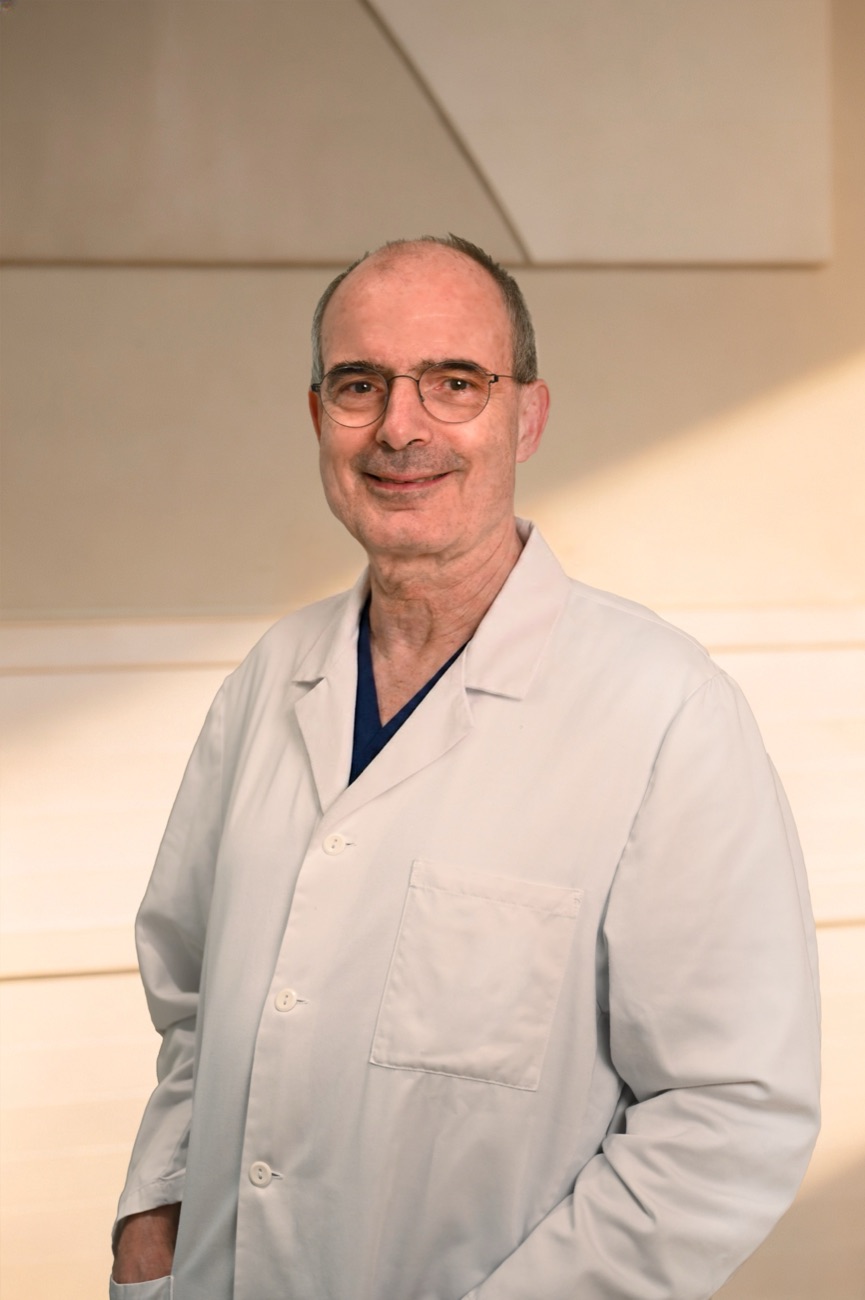
The pacemaker and ICD area is led by Dr. med. Christian Steffen, who has more than 30 years of experience and has implanted around 1,000 pacemakers. You are accompanied personally from the assessment through the procedure to the follow-up.

Can I live normally with a device?

Yes, the vast majority of people live a completely normal and active life with a pacemaker or ICD, including sport, travel and work. We discuss with you the few things to be mindful of, for example when dealing with certain medical equipment, and we are at your side for any questions at any time.
Your team for the heart.

All articles on dth.healthcare →

Request Your appointment now

Pacemaker & ICD at Dedicated to the Heart. By phone or online, within 48 hours, no referral needed.