Cardiac Fitness & Pre-operative Assessment

FMH Cardiology · Zürich Utoquai

Cardiac Fitness & Pre-operative Assessment

Pre-operative cardiac assessment and fitness to exercise. Findings sent to your surgeon within 48 hours. Also for a fitness baseline.

Fast assessment, dependable findings

Our pre-operative assessment is guided by the type of planned procedure and your individual risk profile. We test your cardiac capacity with an exercise ECG, cardiopulmonary exercise testing or stress echocardiography, depending on which method provides the most accurate answers. We compile a structured report and send it directly to your treatment team. No back and forth between practices, no waiting for letters. Your cardiologist explains all results to you in person on the same day.

Request an appointment

Fast assessment, dependable findings

Our pre-operative assessment is guided by the type of planned procedure and your individual risk profile. We test your cardiac capacity with an exercise ECG, cardiopulmonary exercise testing or stress echocardiography, depending on which method provides the most accurate answers. We compile a structured report and send it directly to your treatment team.

No back and forth between practices, no waiting for letters. Your cardiologist explains all results to you in person on the same day.

Who needs a cardiac fitness assessment?

You should book an appointment if you are scheduled for an operation and your surgeon or hospital requires cardiac clearance. This applies to major procedures such as joint replacement (hip, knee), abdominal surgery, vascular surgery, spinal surgery or thoracic procedures, as well as to smaller operations in patients with existing heart disease or cardiovascular risk factors. If you simply want confirmation that your heart is fit enough for anaesthesia and post-operative recovery, you are in the right place.

Outside surgical planning, an assessment is worthwhile if you want to start a new or more intensive training programme and need a safe starting point. If you have risk factors such as high blood pressure, diabetes, coronary heart disease, atrial fibrillation or a family history of heart disease, you should have your cardiac capacity checked professionally before starting training. Symptoms such as breathlessness, chest complaints, palpitations or dizziness that occur during physical exertion likewise deserve a targeted cardiac examination before you increase your activity.

And if you are over 50 and want to take up intensive sport again after a longer break, a baseline examination is the best way to start safely. A thorough assessment recognises potential risks in advance and gives you and your treatment team the confidence to plan the next step well informed.

Diagnostic tests: what we measure and why

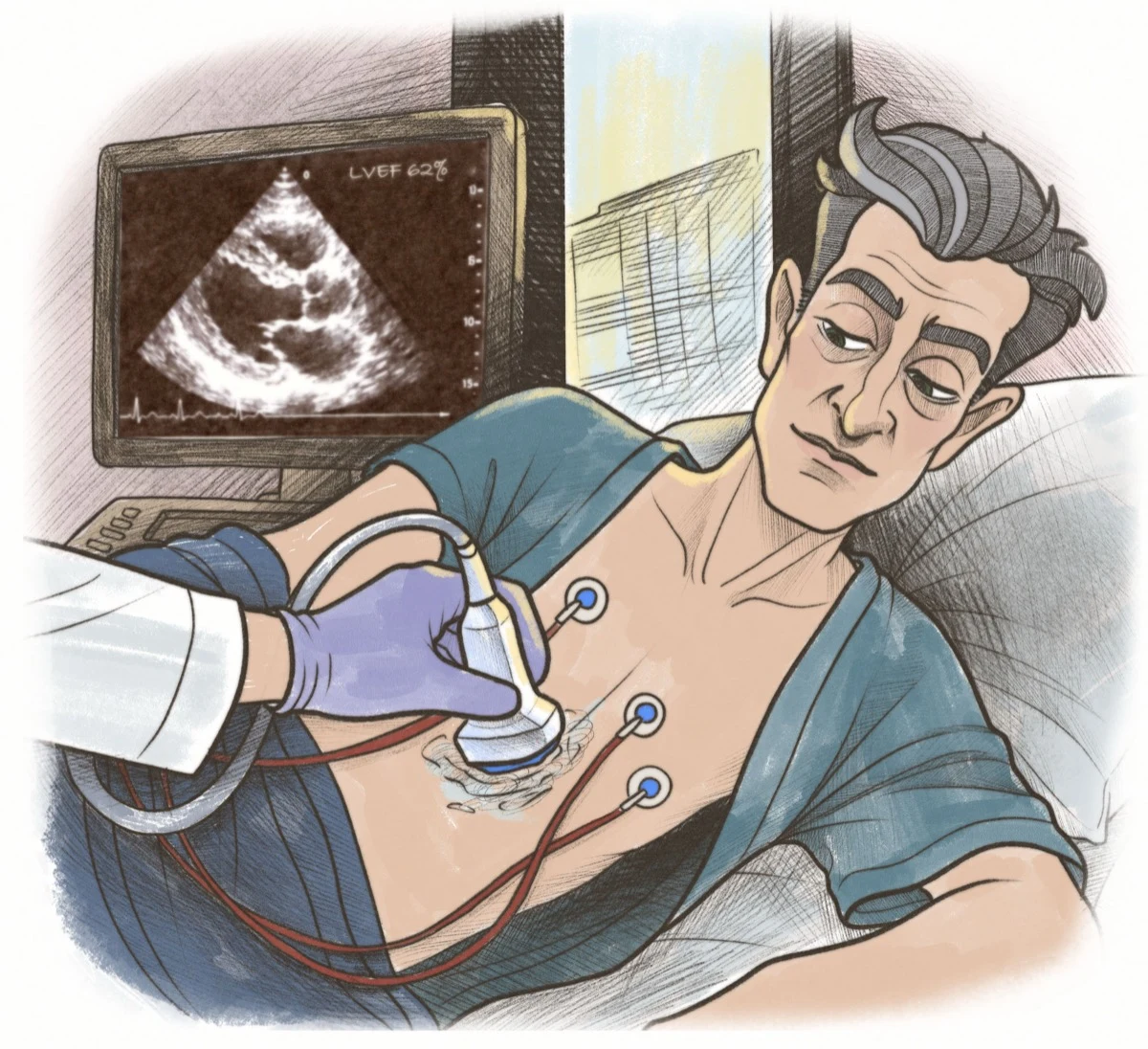
Depending on your situation and the planned procedure, your cardiologist uses various diagnostic methods, all on site in our practice in Zurich for fast results without external referrals. The resting ECG (electrocardiogram) records the electrical activity of your heart and detects arrhythmias, conduction problems and signs of ischaemia that are relevant before an operation or the start of training. Echocardiography shows cardiac structure, valve function, wall motion and pumping efficiency (ejection fraction) by ultrasound, and ensures that your heart can safely cope with anaesthesia or physical exertion.

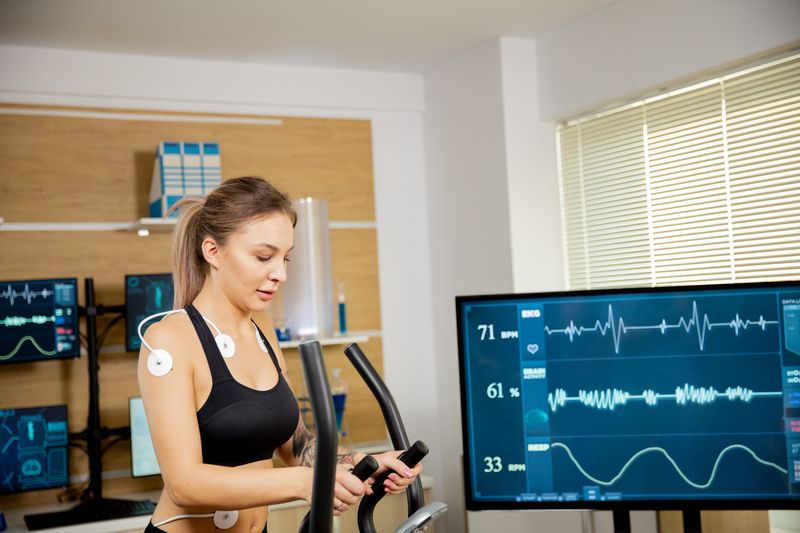
The exercise ECG on the ergometer assesses how your heart responds to gradually increasing exertion. It helps determine safe training levels, uncovers exercise-induced arrhythmias and coronary circulation problems that are not visible at rest, and measures your functional capacity in METs. For a more precise analysis of performance we use cardiopulmonary exercise testing, which simultaneously measures heart rate, blood pressure, ECG and respiratory gases (oxygen uptake, carbon dioxide output) and thus determines your maximal cardiopulmonary capacity (VO2max).

This is the gold standard for assessing physical performance and is also used to determine training zones. Stress echocardiography combines ultrasound with exertion and shows whether new wall motion disorders appear under effort, pointing to coronary heart disease. Where needed, we set up a Holter ECG over 24 to 72 hours to capture intermittent arrhythmias.

Blood tests measure cholesterol, inflammatory markers, cardiac biomarkers such as troponin and BNP, and further indicators relevant to anaesthesia safety and long-term heart health.

Pre-operative cardiac examination according to ESC guidelines

The European Society of Cardiology (ESC) has published clear guidelines for pre-operative cardiovascular risk stratification, which we apply consistently in our assessment. The scope of the examination is guided by the risk of the planned procedure (low, intermediate, high) and your individual risk factors. With low surgical risk and a patient with no cardiac history, a resting ECG and a targeted history often suffice.

With intermediate and high risk, for example with major abdominal surgery, vascular surgery or thoracic procedures, we add an exercise ECG, echocardiography, laboratory values and, where needed, stress echocardiography to uncover exercise-induced ischaemia. We compile a structured report containing all the required information: heart rhythm, pumping function (ejection fraction), valve status, capacity in METs (metabolic equivalents), a clear risk assessment and our recommendation for perioperative management. This report goes directly to your surgeon, your anaesthetist or your hospital, in a format that clinics throughout Switzerland accept.

We also clarify whether existing medications such as blood thinners, beta-blockers, ACE inhibitors or antiarrhythmics should be paused, reduced in dose or continued unchanged before the procedure. This recommendation is documented in the findings. This way your entire treatment team, surgeon, anaesthetist and ward doctor, has the information it needs for a safe operation and an uncomplicated recovery.

Return-to-sport assessment

After a cardiac procedure, a long training break or with newly discovered risk factors, you want to know what you can ask of your heart and where the limit lies. Our return-to-sport assessment gives you a clear, medically grounded answer. We measure your exertion limit on the ergometer or with cardiopulmonary exercise testing and determine your individual training zones: the aerobic threshold (the point at which lactate production begins to rise), the anaerobic threshold (the intensity you cannot sustain for long) and your maximum heart rate.

Cardiopulmonary exercise testing additionally provides your VO2max, the gold standard for cardiopulmonary fitness. The written recommendation for your training plan contains concrete details: which heart rate ranges are safe for you, which sports are suitable (endurance, strength, interval, team sport), which intensities you should avoid at first and how to increase the load step by step over the weeks. If you want to take up sport again after a heart attack, valve surgery, catheter ablation or an arrhythmia, we plan the return in stages and with clear milestones.

The assessment is also worthwhile for athletes without known heart disease who need a cardiac fitness baseline before a marathon, triathlon, mountaineering or intensive strength training. You receive more than numbers on paper: an understandable explanation of what they mean for your everyday life and your training, and a plan you can put into practice straight away.

Findings within 48 hours

Your surgery date is set and you need cardiac clearance quickly. We plan the assessment so that the finished, signed report is with your surgeon, your anaesthetist or your hospital within 48 hours. In urgent cases, when the operation is in the next two to three days, we manage the complete assessment and the finished report on the same day.

Call us, describe your situation, and we find an appointment that fits your schedule. Your cardiologist explains the results to you during the visit, so that you leave the practice with clarity: is your heart ready for the procedure? Are there restrictions or precautions the anaesthetist needs to know?

Does the medication need to be adjusted or paused before surgery? Is there an elevated anaesthetic risk that requires special monitoring? The official report, signed by an experienced cardiologist and written in a standardised format that hospitals and insurers throughout Switzerland accept, is delivered within the agreed timeframe, by fax, secure email or post.

This way the cardiac clearance does not delay your operation date. If the surgical team has questions, we are available for a direct doctor-to-doctor conversation.

Frequently asked questions about the cardiac fitness assessment

Why is a cardiac assessment needed before an operation?

Before larger procedures, the surgeon and anaesthetist want to know whether your heart will safely bear the anaesthetic and the strain of the operation. A cardiac assessment recognises risks such as circulation-related heart weakness, valve defects or arrhythmias early, so that the procedure can be planned more safely.

What is included in the assessment?

As standard we examine your heart with a resting ECG, an echocardiography (ultrasound of the heart) and an exercise test. Depending on the findings and the planned procedure, we add to the examination as needed, for example with a Holter ECG.

Do I get a report for my surgeon or anaesthetist?

Yes. You receive a written cardiological report with a clear assessment of fitness for surgery and, where appropriate, concrete recommendations for the anaesthetic. You can pass this report directly to your surgeon and anaesthetist, or we send it on request.

Can I come without a planned operation, for example before starting training?

Yes, a cardiac fitness assessment is worthwhile even without a procedure. If you want to do intensive sport again or take up a training programme, we check with an exercise test and echocardiography how resilient your heart is and where your sensible limits lie.

How long does the assessment take?

The examinations take place in a single appointment and usually last around an hour. We discuss the findings with you on the same day.

Do I need a referral?

No. You can contact us directly; a referral from your GP is not necessary. In urgent cases you will have an appointment within 48 hours.

When should I arrange the appointment?

Ideally, arrange the appointment early enough that there is still time before the planned operation for any follow-up questions or additional examinations. This way you avoid your procedure being postponed at short notice because of an open cardiological question.

Your team for the heart.

All articles on dth.healthcare →

Request Your appointment now

Cardiac Fitness & Pre-operative Assessment at Dedicated to the Heart. By phone or online, within 48 hours, no referral needed.