Heart Valve Clinic

FMH Cardiology · Zürich Utoquai

Heart Valve Clinic

From assessment to catheter-based therapy. Aortic valve, mitral valve, TAVI. Findings and recommendation on the same day.

From diagnosis to treatment planning

We assess your heart valves with transthoracic echocardiography, colour Doppler measurement and, where needed, transoesophageal ultrasound (TEE). On this basis we discuss the next step together: observation with fixed follow-up intervals, medication to relieve the heart, or referral for interventional or surgical therapy. In cases requiring TAVI or surgical valve repair, we work directly with the cardiac surgery teams of our partner clinics. We make every decision transparently and together with you, without time pressure and without withholding information.

Request an appointment

From diagnosis to treatment planning

We assess your heart valves with transthoracic echocardiography, colour Doppler measurement and, where needed, transoesophageal ultrasound (TEE). On this basis we discuss the next step together: observation with fixed follow-up intervals, medication to relieve the heart, or referral for interventional or surgical therapy. In cases requiring TAVI or surgical valve repair, we work directly with the cardiac surgery teams of our partner clinics.

We make every decision transparently and together with you, without time pressure and without withholding information.

Who should attend the heart valve clinic?

Heart valve disease reaches well beyond older age. A bicuspid aortic valve, present from birth, can also cause problems in adulthood. You should arrange an appointment if a heart murmur has been detected in you and a specialist assessment is recommended.

Likewise if you have already been diagnosed with valve disease and need regular checks. Typical complaints that point to a valve problem are increasing breathlessness on exertion, chest pressure, unusual fatigue, dizziness or swelling in the legs. Some patients also notice palpitations or an irregular pulse, because valve disease frequently triggers atrial fibrillation.

After valve surgery or TAVI, continuous echocardiographic follow-up is also needed to monitor the function of the new valve. And if you have a known congenital heart defect involving the valves, ongoing monitoring belongs in the hands of a specialist cardiologist. The earlier a valve disease is recognised and monitored, the better the progression can be controlled and the heart function protected for the long term.

Patients who have been recommended a valve repair or replacement also benefit from an independent assessment in our clinic before deciding on a procedure.

What happens at the appointment in the valve clinic?

Your appointment begins with a thorough conversation. We go through your symptoms, review your medical history and examine previous test results and earlier findings. If you bring findings from other doctors or hospitals, we compare them with our own measurements.

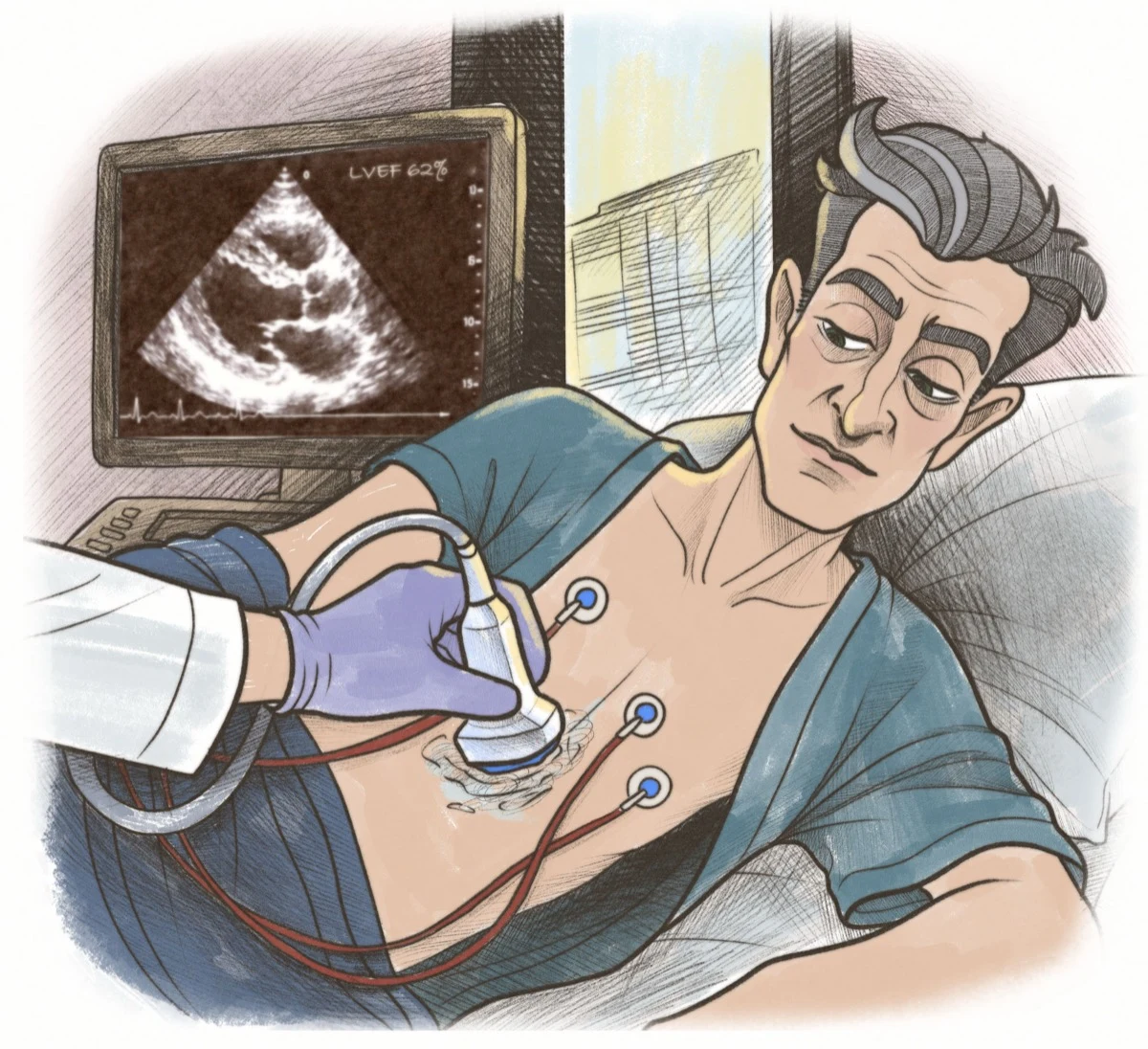
A targeted cardiovascular examination follows, in which we look for signs of valve disorders: abnormal heart murmurs, altered heart sounds, signs of volume overload such as congested neck veins or peripheral oedema. Then the diagnostics: transthoracic echocardiography shows the structure and function of your heart valves in real time. We assess the opening area, regurgitation volume, pressure gradients and the size of the heart chambers.

With colour Doppler measurement we quantify the severity of a stenosis or regurgitation according to current grading criteria. The examination is complemented by an ECG to detect atrial fibrillation and other arrhythmias that frequently occur with valve disease, as well as blood tests including BNP or NT-proBNP as a marker of cardiac strain. If transthoracic imaging is not sufficient, for example with a mitral valve that is difficult to visualise, with suspected endocarditis or for surgical planning, we use transoesophageal ultrasound (TEE), which shows the valves at close range and in higher resolution.

On the same day you discuss the findings with your cardiologist. You learn which valve is affected, how pronounced the change is, whether and when a procedure becomes worthwhile, and what the next step is. No waiting for a separate appointment to discuss the findings.

Which valve conditions do we treat?

Aortic valve stenosis is the most common heart valve disease in adulthood. The valve opening narrows, the heart has to pump harder, and at some point its performance is no longer enough. Symptoms often only appear once the stenosis is already severe: breathlessness, chest pain on exertion, dizziness or syncope.

We monitor the stenosis with regular echocardiography checks, measure the valve opening area and the mean pressure gradient, and plan the procedure at the right moment, before the heart takes irreversible damage. Mitral valve regurgitation, in which the valve no longer closes tightly and blood flows back into the left atrium, requires precise quantification: is the regurgitation mild, moderate or severe? Is it degenerative (primary) or functional (secondary) regurgitation?

Does it need a repair or a replacement? We also care for patients with a bicuspid aortic valve, tricuspid valve regurgitation, pulmonary valve regurgitation and combined valve defects. For congenital heart defects that become valve-relevant in adulthood, we offer specialised follow-up.

And if you already carry an artificial valve, biological or mechanical, we monitor its function, the anticoagulation and possible complications such as paravalvular leaks or prosthesis degeneration.

TAVI, valve repair and surgical replacement

Not every valve disease requires open-heart surgery. In TAVI (catheter-based aortic valve replacement) the new valve is inserted via a catheter in the femoral artery, without a heart-lung machine and without opening the chest. Recovery is considerably shorter than with open surgery, and for many patients with high or intermediate surgical risk, TAVI is today the standard procedure.

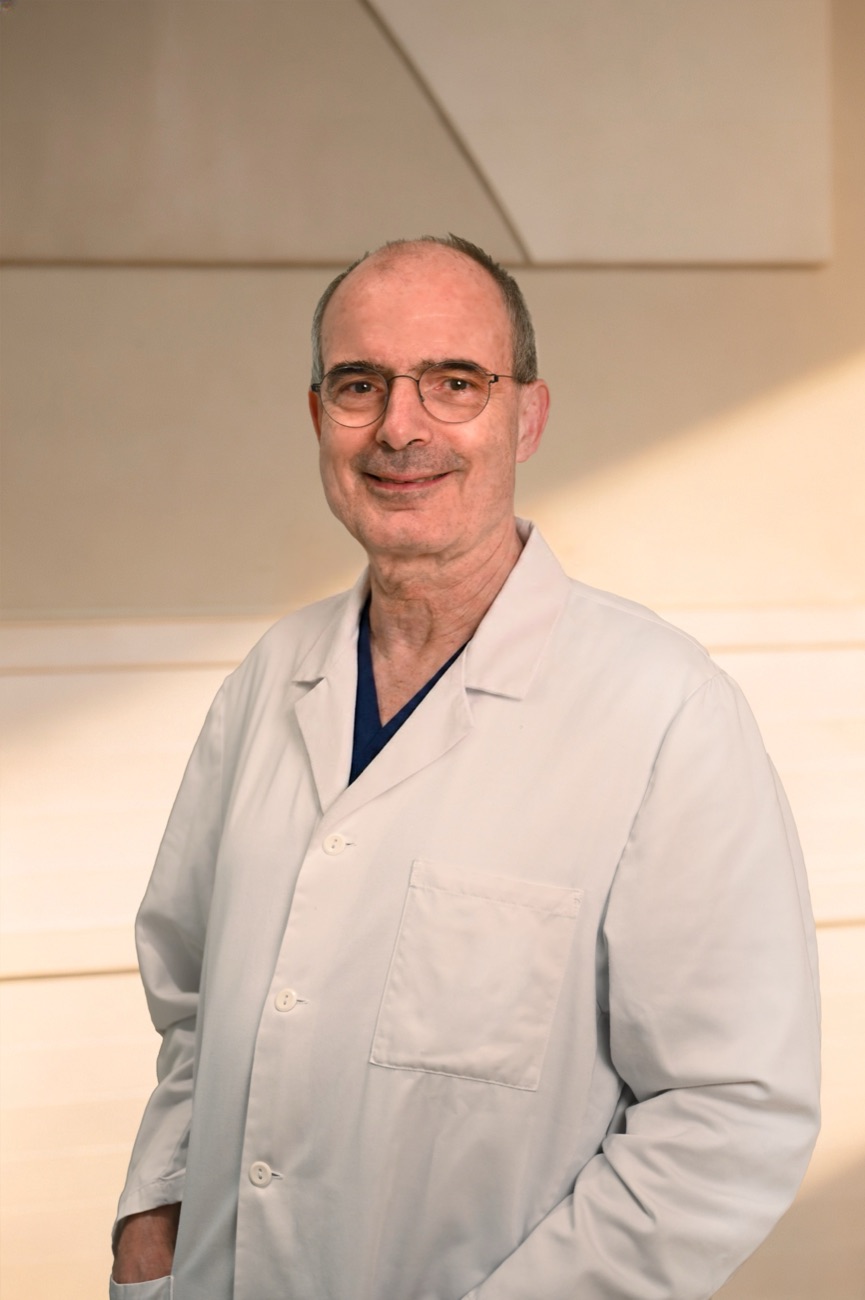
Prof. Glökler and his team advise you on whether a TAVI, a catheter-based repair (for example MitraClip for mitral valve regurgitation, or TEER) or a surgical valve replacement is the best option in your case. The decision depends on the affected valve, the severity, your age, your comorbidities and your general state of health.

Repair has the advantage that your own valve is preserved and long-term anticoagulation is often unnecessary. Replacement, whether biological or mechanical, comes into consideration when a repair is not technically possible. Biological valves require no permanent blood thinning but have a limited durability of typically ten to fifteen years.

Mechanical valves last a lifetime but require lifelong anticoagulation with regular INR monitoring. We discuss all options openly with you and coordinate the treatment with the cardiac surgery team of the partner clinic. We make the decision for or against a procedure together and without time pressure.

Long-term follow-up after a valve procedure

After valve surgery or TAVI, the follow-up begins, and it is just as important as the procedure itself. You need regular echocardiographic checks to monitor the function of the new or repaired valve and to detect complications early. In the first three months after the procedure the follow-up intervals are shorter: an echocardiography after 30 days, then after three months.

This way we ensure the valve has settled correctly, no paravalvular leaks occur and the heart function recovers. After that, the follow-up appointments are usually every six to twelve months, depending on the valve type and your individual course. At every check we assess the pressure gradients, the effective opening area and signs of prosthesis degeneration.

We adjust your medication to the course. If you carry a mechanical valve, we regularly check the INR value and adjust the anticoagulation, so that you stay within the therapeutic range. Any under- or overdosing has consequences: too low raises the risk of thrombosis, too high the risk of bleeding.

For biological valves we watch the long-term course and plan in good time, should a valve-in-valve procedure or a renewed surgical replacement become necessary in ten to fifteen years. After a valve procedure for congenital heart defects too, we remain your dependable point of contact. The checks give you reassurance and us the opportunity to recognise changes early and act in good time.

Frequently asked questions about the heart valve clinic

How do I recognise that something is wrong with a heart valve?

Typical signs are breathlessness on exertion, a tight feeling in the chest, palpitations, dizziness or unusually rapid exhaustion. Sometimes a valve disease runs for a long time without complaints and is only noticed as a heart murmur on auscultation. If you notice such signs in yourself, an assessment is worthwhile.

How is the heart valve examined?

The central examination is echocardiography, an ultrasound of the heart. With it we see in real time how your valves open and close, and we can precisely measure the severity of a narrowing or a leak. The examination is painless and uses no radiation.

Does every diseased heart valve have to be operated on?

No. Many valve conditions are mild or moderate and need only a regular check over the years. Only when the valve is severely affected or complaints increase do we discuss treatment together with you.

Which treatment is possible if I do not want open surgery?

For certain valve conditions, such as a severe aortic valve stenosis, there are now catheter-based procedures such as TAVI. A new valve is inserted via a catheter, usually through the groin, without the chest having to be opened. Which procedure is right for you depends on your findings and your state of health and is discussed within the heart team.

How often does a heart valve need to be checked?

That depends on the severity. With mild findings a check every one to two years often suffices; with more advanced findings we examine more frequently. We set the rhythm individually with you, so that any deterioration is recognised in good time.

Do I need a referral for the heart valve clinic?

No, you can contact us directly. A referral from your GP is not necessary.

How quickly do I get an appointment?

Usually within 48 hours. If you already have findings or earlier ultrasound images, please bring them along; that helps us with the comparison.

Your team for the heart.

All articles on dth.healthcare →

Request Your appointment now

Heart Valve Clinic at Dedicated to the Heart. By phone or online, within 48 hours, no referral needed.