Heart Failure Clinic

FMH Cardiology · Zürich Utoquai

Heart Failure Clinic

Structured care for heart failure. Diagnostics, medication optimisation, device therapy and long-term follow-up in one practice.

Structured care rather than isolated appointments

Heart failure therapy takes time and continuity. We titrate your medication step by step, check the effect at every follow-up and adjust the therapy to how you feel. Where needed, we discuss device options such as CRT (cardiac resynchronisation therapy) or an ICD (implantable defibrillator). Your cardiologist remains your dependable point of contact throughout the entire course of treatment. Everything under one roof, from diagnostics and medication optimisation to ongoing follow-up. Our goal goes beyond managing your condition: we help you preserve independence, improve daily life and reduce the risk of hospitalisation.

Request an appointment

Who should attend the heart failure clinic?

You should book an appointment if you have been diagnosed with heart failure and need ongoing specialist care. Or if you notice symptoms such as breathlessness on exertion or at rest, swollen legs, unexplained fatigue or rapid weight gain that may point to fluid retention. Heart failure can also develop after a heart attack, with coronary heart disease or with valve problems, and must be treated specifically.

If you have been hospitalised for heart failure, you need structured follow-up, ideally within two weeks of discharge. If your current treatment is no longer working or your symptoms are worsening, a reassessment makes sense. And if you want to understand your condition better or obtain a second opinion on your treatment plan, you are in the right place.

A visit is also worthwhile if you want to explore advanced treatment options that were not discussed with your previous doctor. Heart failure reaches well beyond older age. Younger patients too can develop heart failure after myocarditis, cardiomyopathy or chemotherapy.

Early intervention and continuous specialist management can significantly slow the progression of the disease, improve daily functioning and raise quality of life.

Diagnosis and initial assessment: what we want to find out

It begins with thorough diagnostics. We want to understand why your heart pumps more weakly, whether ischaemic through coronary heart disease, through valve problems, through high blood pressure, through a cardiomyopathy or through other causes. Your cardiologist discusses your symptoms, your medical history, your current medication, your lifestyle and previous treatments in detail.

The physical examination assesses your fluid status, circulation and signs of cardiac strain, including a focused cardiovascular examination. The instrument-based diagnostics then follow: echocardiography with ultrasound imaging to measure the ejection fraction (pumping function), the pumping strength, valve function and heart size, to build an overall assessment of cardiac performance. Laboratory values, including BNP or NT-proBNP, which identify signs of heart failure; kidney function and electrolytes, which assess organ function and guide treatment adjustments.

A resting ECG to detect arrhythmias, conduction problems or signs of cardiac strain. Where needed, an exercise test to see how your heart responds to physical activity and to tailor safe exercise recommendations. If necessary, we add a chest X-ray or advanced imaging with CT or cardiac MRI, which provide detailed information on heart size, pulmonary congestion and structural changes.

A Holter ECG over 24 to 72 hours can detect rhythm problems that could worsen the heart failure. Accurate diagnosis and ongoing monitoring are the foundation of effective heart failure management. Every test result is clearly explained to you during the appointment, and your cardiologist develops a personalised treatment and follow-up plan based on your findings.

Medication titration and monitoring according to ESC guidelines

Guideline-directed therapy for heart failure involves several drug classes that we build up step by step. Depending on your findings, ACE inhibitors or ARNI, beta-blockers, mineralocorticoid receptor antagonists and SGLT2 inhibitors come into play. The ESC guidelines recommend a swift up-titration to the target dose, but always matched to your tolerability.

We review your current medication, make any necessary adjustments and discuss new treatment options where indicated. Every two to four weeks you come in for a check. We measure blood pressure, check kidney values and electrolytes and ask how you are feeling.

At every appointment you know where you stand, which dose comes next and when we aim to reach the target dose. You receive clear recommendations on medication, lifestyle, monitoring and follow-up, tailored to your condition and your personal goals. If side effects occur, we discuss openly whether to adjust the dose, switch the substance or pause.

In HFpEF, heart failure with preserved ejection fraction, different therapeutic priorities come to the fore: blood pressure control, weight management, treatment of comorbidities and targeted use of SGLT2 inhibitors. The goal is a stable regimen that relieves your symptoms, improves your pumping function and lowers the risk of hospitalisation. This structured approach is what distinguishes our heart failure clinic from sporadic isolated appointments, where the overall picture can be lost.

Device therapy: CRT and ICD

Not every case of heart failure can be treated with medication alone. If your pumping function remains significantly impaired despite optimal medication, device therapy comes into consideration. Cardiac resynchronisation therapy (CRT) synchronises the contraction of the two heart chambers with a special pacemaker.

This improves pumping function and can noticeably relieve symptoms such as breathlessness and fatigue. CRT is considered above all when a left bundle branch block is present and the ejection fraction is below 35 percent. An implantable cardioverter-defibrillator (ICD) protects against life-threatening arrhythmias by delivering an electric shock in an emergency.

It is recommended when, despite optimal therapy, there is a high risk of sudden cardiac death. In many cases a combined device is used that unites CRT and ICD function (CRT-D). Dr.

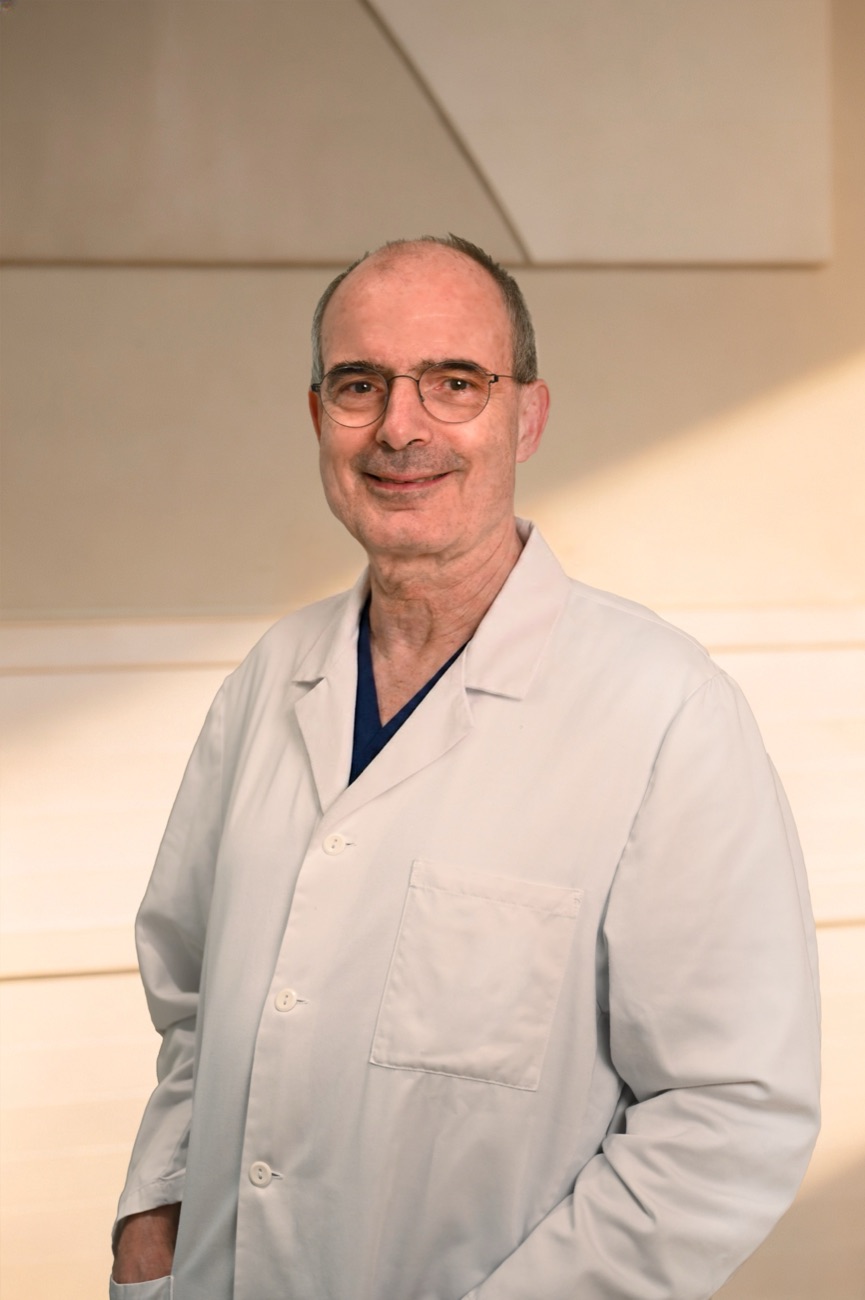
med. Christian Steffen brings the experience of more than 1,000 pacemaker implantations and advises you on whether a CRT, an ICD or a combination makes sense for you. We discuss the benefits, risks and course of an implantation in clear language and without pressure.

You make the decision together with your cardiologist, well informed and without time pressure.

After the hospital stay and long-term care

If you come out of hospital after a decompensation, you need a cardiological check within two weeks. This so-called transition phase is critical: here medication is adjusted, fluid status is checked and warning signs of renewed deterioration are discussed. We take over the continued care, review your discharge medication and ensure that the transition from hospital to outpatient care runs smoothly.

In the long term, we accompany you with regular follow-up appointments and personalised care. Weight monitoring, a symptom diary and regular laboratory values help us recognise changes early. We explain which warning signs to watch for in everyday life, such as a sudden weight gain of more than two kilograms in three days, increasing breathlessness, lying flat becoming uncomfortable, or new swelling in the legs.

At every follow-up we explain each result, answer every question and accompany you step by step. Your cardiologist knows your story and your course; you do not have to start from scratch at each visit. Our practices in Enge and at the Utoquai are well connected and make regular follow-up straightforward.

Our goal reaches beyond controlling your condition. We help you preserve your independence, shape your everyday life actively, improve daily functioning and reduce the risk of further hospital stays. You need no referral to arrange an appointment with us.

Frequently asked questions about heart failure

How do I recognise the first signs of heart failure? Watch for breathlessness on exertion or when lying down, unfamiliar fatigue, swollen legs or ankles and rapid weight gain over a few days. If you notice such changes, an early assessment is worthwhile, because the sooner we act, the better your heart can be protected.

Is heart failure curable, or do I have to live with it? In many cases heart failure is a chronic condition that we can treat very well and keep stable. With the right therapy you often lead an active life, and depending on the cause, the pumping function of your heart can recover significantly.

How do you make the diagnosis? We combine a thorough conversation with an ECG, an echocardiography to assess the pumping function and a laboratory test including the cardiac value NT-proBNP. This gives us a clear picture and lets us recommend the right treatment for you.

How often do I need to come for checks? That depends on how stable your heart function is and how well the medication is adjusted. In the adjustment phase we see you more often; later, regular follow-up checks usually suffice, which we set individually with you.

What role does my medication play? Well-matched medication relieves your heart, eases complaints and protects against deterioration. We optimise your therapy step by step and adjust it as soon as how you feel or your values change.

Can I contribute something myself through my lifestyle? Yes, a great deal. Regular exercise adapted to you, a salt-conscious diet, daily weighing, giving up smoking and a moderate approach to alcohol noticeably support your therapy.

Do I need a referral from my GP? No, you can contact us directly; a referral is not necessary. You will usually have an appointment within 48 hours at our practice at the Utoquai.

How quickly do I get an appointment? We know that cardiac complaints are unsettling, which is why we offer you an appointment at short notice, usually within 48 hours. So you do not have to wait long with your questions.

Your team for the heart.

All articles on dth.healthcare →

Request Your appointment now

Heart Failure Clinic at Dedicated to the Heart. By phone or online, within 48 hours, no referral needed.