Heart Screening & Preventive Cardiology

FMH Cardiology · Zürich Utoquai

Heart Screening & Preventive Cardiology

A cardiovascular check-up in 90 minutes. Resting ECG, stress test, echocardiography and laboratory work. Results on the same day.

Recognising risks before symptoms appear

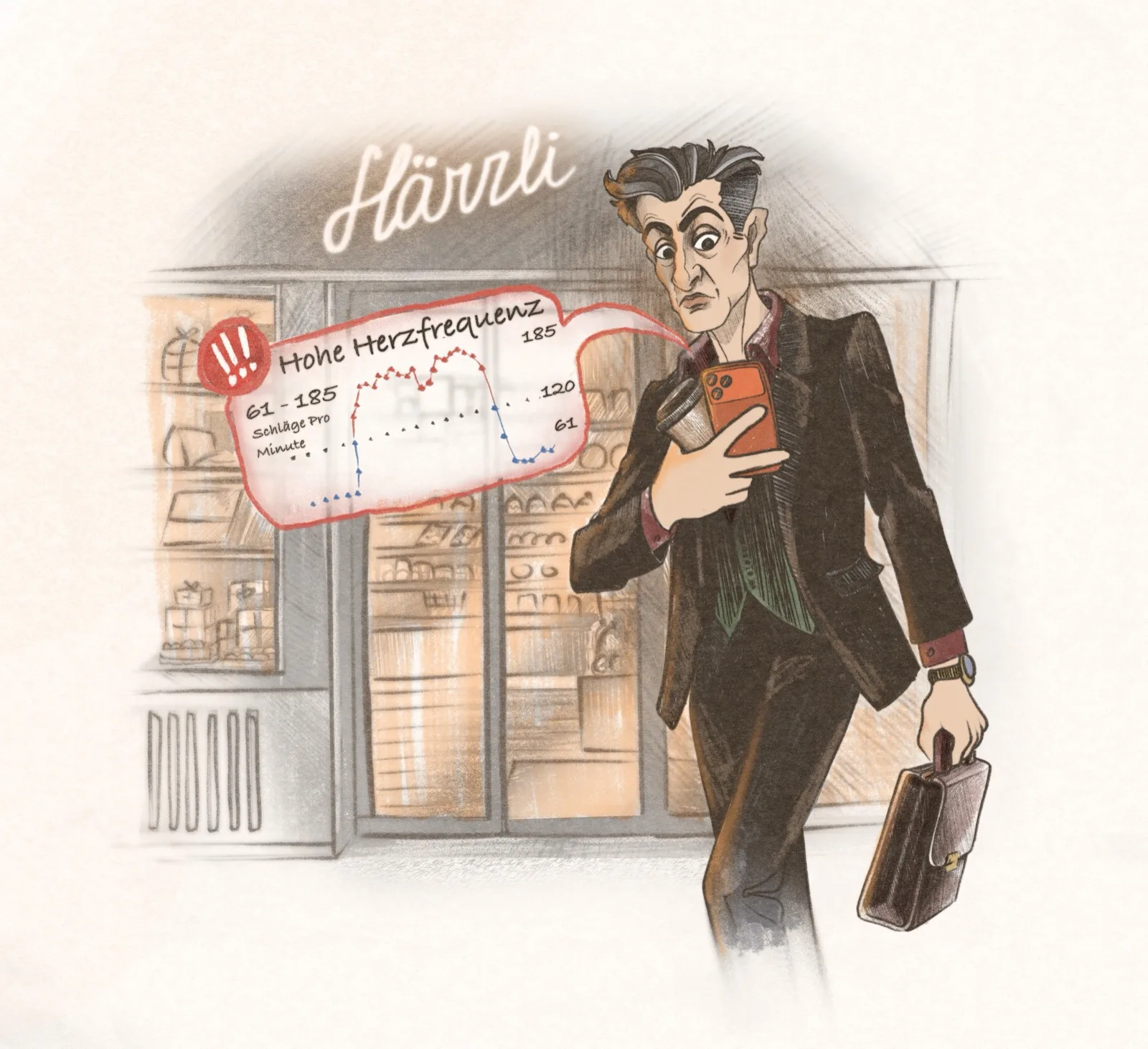
Most heart problems give no warning. Coronary heart disease, atrial fibrillation or a reduced pumping function can go unnoticed for years. Our screening finds silent risk factors before they become dangerous. At the end you receive a concrete plan: what you can change, what we will monitor, when the next check is due. Early detection through preventive screening gives you the best chance to protect your heart before problems develop.

Request an appointment

Recognising risks before symptoms appear

Most heart problems give no warning. Coronary heart disease, atrial fibrillation or a reduced pumping function can go unnoticed for years. Our screening finds silent risk factors before they become dangerous.

The result is not a stack of paper but a concrete plan: what you can change, what we will monitor, when the next check is due. Early detection through preventive screening gives you the best chance to protect your heart before problems develop.

Who is heart screening for?

You are over 35, you work hard, you move too little or you have heart disease in the family. Perhaps you are planning to take up sport again and want to know whether your heart is ready. Or your GP noticed an elevated blood pressure.

All of these are good reasons to take a closer look. A heart screening is also worthwhile when you feel fundamentally healthy, because cardiovascular risk factors such as elevated LDL cholesterol, insulin resistance or mild hypertension often only become noticeable late. The European Society of Cardiology (ESC) stresses in its guidelines on cardiovascular prevention that risk stratification in people without symptoms is the key to early detection.

Especially if you are under high occupational stress, have a sedentary job, live with diabetes or high blood pressure, or if there have been heart attacks or sudden cardiac events in your family, you should not wait for symptoms. Women after menopause and men over 40 with one or more risk factors also belong to those who benefit from a structured screening. If you want to start a new training programme, we first check whether your heart is ready, so that you can begin safely.

Mild symptoms such as occasional chest pressure, palpitations or unexplained fatigue are likewise reasons that justify a cardiovascular assessment. And if you simply want a thorough cardiac examination for your peace of mind, without any specific concern, you are in the right place. Even with elevated cholesterol or known diabetes, a regular heart screening is one of the most effective ways to prevent serious cardiovascular problems.

What happens during the screening? Step by step through your appointment

Your visit begins with a thorough conversation. Your cardiologist asks about your medical history, your lifestyle, family history and any complaints such as occasional chest pressure, palpitations or fatigue. We discuss your symptoms, risk factors and personal health goals in detail, so that we can tailor the screening precisely to you.

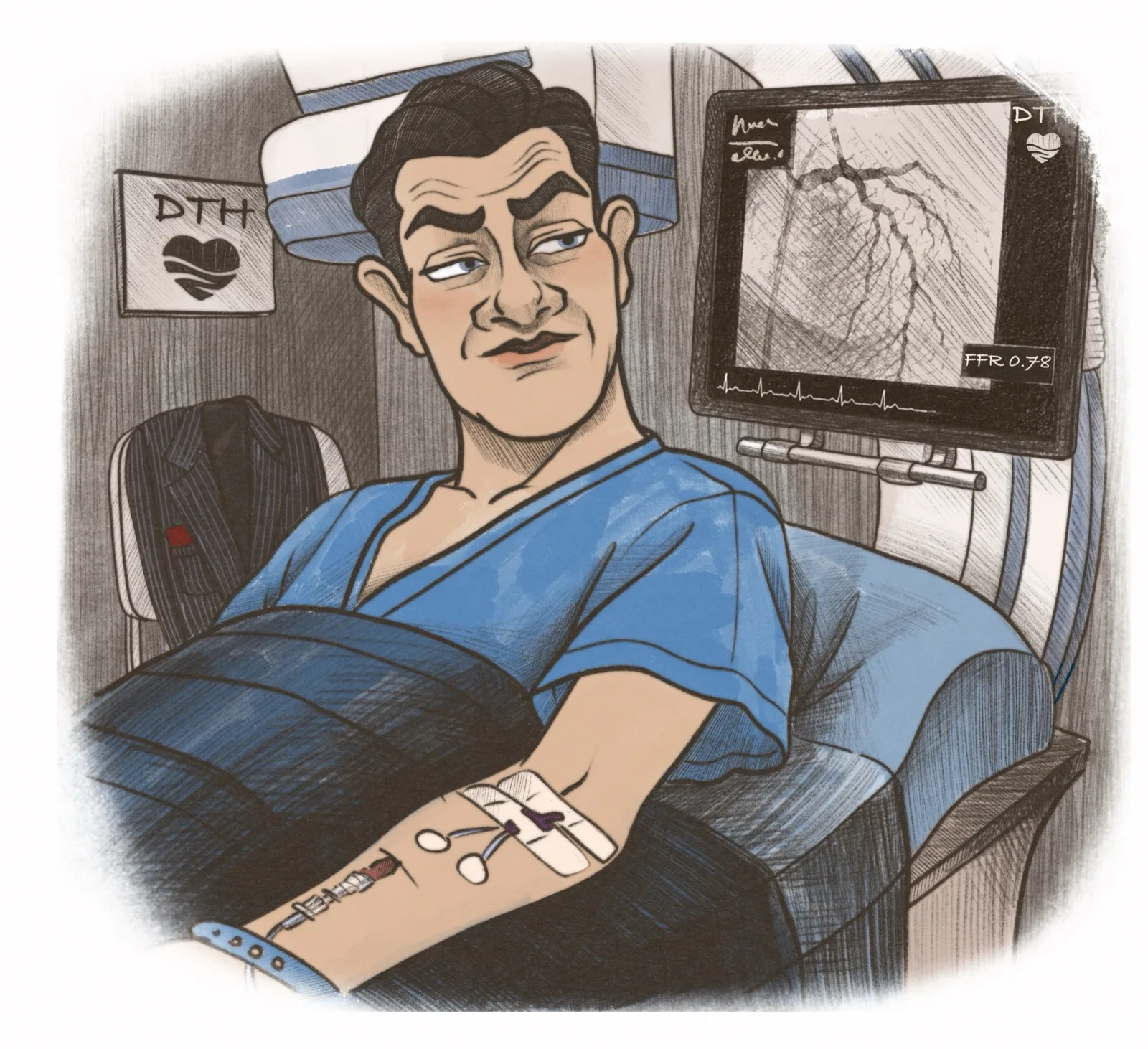
This is followed by a focused physical examination of your cardiovascular system, including auscultation, blood pressure measurement and assessment of peripheral pulses. The instrument-based tests then begin: a resting ECG for heart rhythm and possible conduction disorders, an exercise ECG on the ergometer to detect coronary heart disease or exercise-induced arrhythmias, and echocardiography with ultrasound for the heart valves, pumping function and cardiac structure. The blood analysis measures cholesterol (total cholesterol, LDL, HDL), triglycerides, blood sugar, HbA1c, inflammatory markers such as CRP and, where indicated, NT-proBNP as a marker of possible cardiac strain.

All examinations take place on site, with state-of-the-art equipment and no waiting between the individual tests. Once the diagnostics are complete, you sit down directly with your cardiologist. He explains the results in expert yet understandable language and answers every question you have.

You leave the practice the same day with a clear picture of your heart health.

Diagnostic tests and what they reveal

The resting ECG (electrocardiogram) measures the electrical activity of your heart at rest. It detects arrhythmias, conduction problems and signs of damage to the heart muscle. Within minutes it provides a first picture of your cardiac electrical function.

The exercise ECG shows how your heart responds to physical exertion. On the ergometer we increase the load step by step and observe rhythm, blood pressure and your perceived capacity. This test is important for uncovering coronary heart disease or exercise-induced arrhythmias that are not visible at rest.

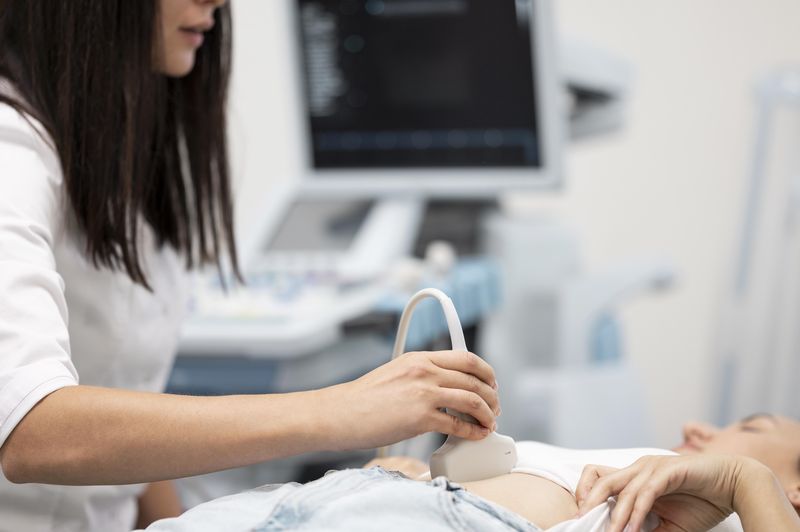
Echocardiography uses ultrasound to see your heart in real time. We assess the size of the heart chambers, the function of the heart valves and the ejection fraction, in other words how forcefully your heart pumps. Echocardiography also detects structural abnormalities such as wall motion disorders or an enlarged left atrium.

If needed, we arrange a Holter ECG over 24 to 72 hours, a continuous ECG recording that captures intermittent arrhythmias not visible in the brief resting ECG. You wear the Holter ECG comfortably during everyday life; it records every single heartbeat and helps document sporadic arrhythmias such as atrial fibrillation or extra beats. The laboratory analysis provides your full lipid profile, blood sugar values and inflammatory markers, all factors that significantly influence your cardiovascular risk.

Every test result is explained directly by your cardiologist during the visit, so that you leave with clarity and a concrete action plan.

Your personal prevention plan

Every screening ends with an individual report and a clear recommendation. Your cardiologist explains all results in understandable language, immediately after the examinations. You know which values are sound, where action is needed and when the next check makes sense.

Not a standard letter, but a plan that fits your everyday life. The prevention plan may contain recommendations on exercise, nutrition and stress management, but also a medication strategy if your risk profile calls for it. We define concrete target values, for example for your blood pressure or your LDL cholesterol, and set when the next follow-up is due.

If your cholesterol is elevated, we discuss whether lifestyle changes are enough or whether statin therapy makes sense. With abnormal blood sugar or elevated diabetes risk, we coordinate the next steps with Sofia Jurgeleit. From risk assessment to lifestyle strategies, we help you protect your heart for the long term.

If further investigations are needed, we coordinate everything within the practice, without sending you elsewhere. You go home with clarity, knowing exactly what the next steps are, and with a personalised plan designed to reduce future risk.

Why you should have your heart screening with us in Zurich

Choosing the right cardiology team goes beyond technology. With us, experienced specialists with decades of expertise lead your screening, not residents and not trainees. Your screening is led by experienced specialists who work with cardiovascular prevention every day and assess the findings in the context of your overall health.

All tests, from the ECG and echocardiography to the blood analysis, take place on site in our practice, so that you receive accurate results without delay. Advanced ECG, echocardiography and laboratory tests are performed during your visit and evaluated immediately. We take the time to listen and to explain.

Every question is answered, every finding discussed in clear language. You receive personal care at every stage of your screening, without hurry and without feeling like just a number. All results and recommendations are explained in understandable language, with transparency and without jargon no one understands.

Our approach is prevention-focused: from risk assessment through lifestyle strategies to medication, we help you protect your heart for the long term. Our practices lie on both sides of Lake Zurich, in Enge near the Klinik Im Park and at the Utoquai, well connected and conveniently located. You need no referral.

Call us or book online; we usually see you within 48 hours.

Frequently asked questions about heart screening

Do I need a referral for a heart screening?

No. You book directly with us, without going through your GP. You will usually have an appointment within 48 hours.

How long does the examination take?

Allow around 60 to 90 minutes. In that time we carry out the resting ECG, exercise ECG, echocardiography, blood sampling and the in-depth conversation with Prof. Dr. Steffen Glökler.

Do I get the results on the same day?

Yes. We discuss the findings from the ECG, echocardiography and risk assessment with you in person on the same day. Laboratory values that need a little more time are sent to you in writing, and we remain directly available for any questions.

Who is the screening for and from what age?

The screening is for people who want their heart checked before complaints arise. It is particularly worthwhile from around the age of 40, with a family history, high blood pressure, elevated cholesterol, diabetes or a demanding working life. Younger athletes with abnormal findings also benefit.

Do I need to fast for the screening?

For the blood values (for example cholesterol and blood sugar) it is advisable, though not strictly necessary, to come fasting. You take your usual medication as prescribed, unless we have agreed otherwise with you.

What is included in the heart screening?

You receive a resting and an exercise ECG, an echocardiography (ultrasound of the heart), where appropriate a blood test of the relevant cardiovascular markers, and a personal assessment of your individual cardiovascular risk. This allows risks to be recognised before they turn into symptoms.

What does the screening cost and does insurance cover it?

As a private practice we bill according to the work involved. What insurance covers depends on your insurance model and the medical question. So that you have clarity, we discuss the question of cost openly with you before the examination begins.

Your team for the heart.

All articles on dth.healthcare →

Request Your appointment now

Heart Screening & Preventive Cardiology at Dedicated to the Heart. By phone or online, within 48 hours, no referral needed.