Women's Heart Health

FMH Cardiology · Zürich Utoquai

Women's Heart Health

Cardiology that takes women seriously. MINOCA, microvascular disease, menopause and the heart. Led by PD Dr. Kleinecke.

Cardiology that knows female risk profiles

Women less often suffer the classic heart attack with chest pain and ST elevation; instead they more frequently experience MINOCA (myocardial infarction with non-obstructive coronary arteries) and microvascular disease. These diagnoses require targeted diagnostics and experience. PD Dr. Kleinecke brings both, and takes the time you deserve. A dedicated cardiac assessment for women helps recognise problems early, guide prevention and ensure that you receive care tailored to your unique profile.

Request an appointment

Why a dedicated programme for women?

Heart disease remains the leading cause of death in women, yet it is often underdiagnosed or overlooked. The reason: cardiac symptoms in women can differ markedly from those in men. Instead of the typical chest pain, women more frequently experience exhaustion, nausea, breathlessness, palpitations or a feeling of pressure in the upper abdomen.

In many practices these signs are classified as stress-related and not investigated further. Studies show that women with heart problems are diagnosed later and referred to cardiologists less often. Subtle warning signs are sometimes missed in standard examinations because the diagnostic criteria were historically oriented towards male symptom patterns.

This is exactly why our women's heart programme exists. We take your complaints seriously from the very first minute, regardless of whether they match the classic pattern. Every examination and every recommendation accounts for the particularities of female heart health.

We understand how risk factors, symptoms and the course of disease differ in women from those in men, and we direct our diagnostics accordingly. Early detection and care tailored to you can make the difference between an overlooked risk and timely intervention. With the right care, most cardiac problems in women can be recognised early and treated effectively.


Who should book an appointment in the women's heart programme?

A visit to the women's heart programme is worthwhile if you have a family history of heart disease, stroke or sudden cardiac events. Likewise if you experience unexplained fatigue, chest complaints, breathlessness or palpitations that cannot be clearly placed. Women approaching or going through menopause carry an increased cardiovascular risk, because the protective effect of oestrogen declines.

The risk of heart disease rises significantly in this stage of life, and early assessment is the best protection. If you have high blood pressure, diabetes or high cholesterol, a targeted cardiac assessment is worthwhile, one that evaluates these risk factors in the context of your female risk profile. Pregnancy-related complications such as pre-eclampsia, gestational diabetes or pregnancy-induced high blood pressure increase your long-term risk of heart disease, even when the pregnancy was years ago.

These connections are often not actively followed up in general practice. And if you are starting or changing hormone therapy, a cardiac baseline examination is the right first step to safeguard your heart before you begin. Even if you simply want a proactive heart health examination and a personalised prevention plan, without any specific concern, you are in the right place.

Ideally, women begin regular heart examinations from the age of 40, or earlier if risk factors or pregnancy complications are present.

Pregnancy, hormones and your long-term heart risk

Pre-eclampsia, gestational diabetes or high blood pressure during pregnancy are more than temporary complications. These events signal a lastingly elevated cardiovascular risk. Even when the values fall again after birth, the risk of hypertension, coronary heart disease and heart failure later in life remains increased.

The ESC guidelines recommend regular cardiovascular follow-up for women with pregnancy complications. In the women's heart programme we establish your baseline profile and set clear follow-up intervals, so that you know when the next examination is due and what it will check. Starting or changing hormone therapy during menopause likewise deserves a cardiac baseline.

We assess your risk profile before you begin therapy and accompany you with follow-up checks. This way you know your heart safely carries the hormonal change. The protective effect of oestrogen, which shielded your heart during the fertile years, declines in menopause.

The risk of atherosclerosis, high blood pressure and metabolic changes rises. We capture these changes early and adapt your care accordingly. If you have recently given birth and are wondering whether your heart is sound, we can safely adapt the examination to pregnancy and the postpartum period.

What to expect at your appointment with Dr. Kleinecke, step by step

Your appointment begins with a thorough consultation and review of your history. Dr. Kleinecke discusses your symptoms, your lifestyle, your family history and women-specific risk factors such as menopause, pregnancy complications or hormone therapy.

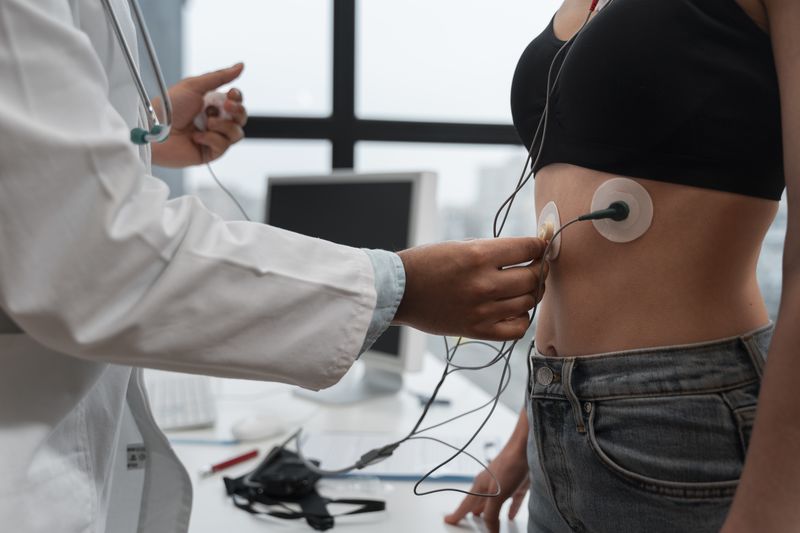
This is followed by a targeted physical examination focused on your cardiovascular system, tailored to women's heart health. The diagnostic tests then begin: a resting ECG to detect arrhythmias and conduction problems, echocardiography with ultrasound to assess cardiac structure, pumping performance and valve function, and a blood analysis with particular attention to women-specific markers such as cholesterol, inflammatory values and hormonal parameters. We check cholesterol, inflammatory markers and other key indicators of cardiovascular risk that are specifically relevant to women.

Where needed, we add an exercise ECG to see how your heart responds to exertion, identifying potential circulation problems or coronary disease. A Holter ECG over 24 to 72 hours can detect intermittent arrhythmias that are not visible in the brief resting ECG and that occur during daily activities. All results are reviewed and explained during your appointment, and Dr.

Kleinecke draws up a clear plan tailored to your risk profile, your symptoms and your goals. You leave the appointment with clear answers and a renewed sense of confidence in your heart health. Multilingual: German and English.

Long-term care and your personal prevention plan

At the end of your appointment you receive a personal prevention or treatment plan tailored to your risk profile, your symptoms and your goals. You know which values are sound, where action is needed and when the next check is due. If medication makes sense, we discuss the options openly and choose the approach that fits you.

The plan also contains recommendations for lifestyle changes tailored to your situation, for example on exercise, nutrition or stress reduction. We treat existing problems and help you prevent the next ones before they begin. Our women's heart programme does not end with a single appointment.

We accompany you long term with clear follow-up intervals and ongoing monitoring, so that changes in your risk profile are recognised early. With us you are not a number but a patient whose story we know. Every result and every recommendation is clearly explained, with time for your questions and without time pressure.

You need no referral to book an appointment; you can enquire directly with us. Our practices in Enge and at the Utoquai are well connected and make regular visits straightforward and stress-free. We also offer personalised prevention advice, including lifestyle and nutritional counselling, as part of every visit.

Several of our senior cardiologists specialise in women's heart health and bring the experience that these particular questions require.

Frequently asked questions about women's heart health

Why is a dedicated clinic for women's hearts needed? Women's hearts often behave differently in diagnosis and in their course than men's hearts. Many studies and risk models have historically relied more heavily on male patients, which is why complaints in women are more often overlooked or recognised late.

In the women's heart clinic, we take exactly these differences as the starting point of the assessment. Do heart attacks and cardiac complaints really present differently in women? Yes.

In a heart attack, women report the classic radiating chest pain less often and symptoms such as breathlessness, unusual fatigue, nausea, upper abdominal pressure or pain in the back and jaw more often. Because these signs seem less clear-cut, women often see a doctor later and are diagnosed later. What role do menopause and hormones play for your heart?

Before menopause, oestrogen has a vessel-protecting effect. With menopause this protection changes, and at the same time blood pressure, cholesterol and the risk of vascular disease frequently rise. That is why the time around menopause is a good moment to have your personal cardiovascular risk properly assessed.

What are MINOCA and microvascular angina? MINOCA means a heart attack without a relevant narrowing of the large coronary arteries, a constellation that occurs more often in women. In microvascular angina, the disorder lies in the smallest cardiac vessels, which are not visible in a standard cardiac catheter examination.

Both diagnoses explain why some women have genuine cardiac complaints even though earlier examinations were unremarkable. Which complaints should you have assessed? Have recurrent chest pressure, breathlessness, palpitations, persistent unfamiliar fatigue or complaints under exertion assessed, especially if earlier findings provided no explanation.

A family risk, high blood pressure, elevated cholesterol or cardiac complaints during a pregnancy are also good reasons for a cardiological assessment. Do you need a referral for an appointment? No.

You can contact us directly; a referral is not necessary. You will usually have an appointment within 48 hours. Who leads the women's heart clinic?

The clinic is led by PD Dr. med. Caroline Kleinecke, specialist in General Internal Medicine FMH.

She takes time for your concerns, advises in German and English, and works closely with the team at Dein Team Herzzentrum on cardiological questions.

Your team for the heart.

All articles on dth.healthcare →

Request Your appointment now

Women's Heart Health at Dedicated to the Heart. By phone or online, within 48 hours, no referral needed.